
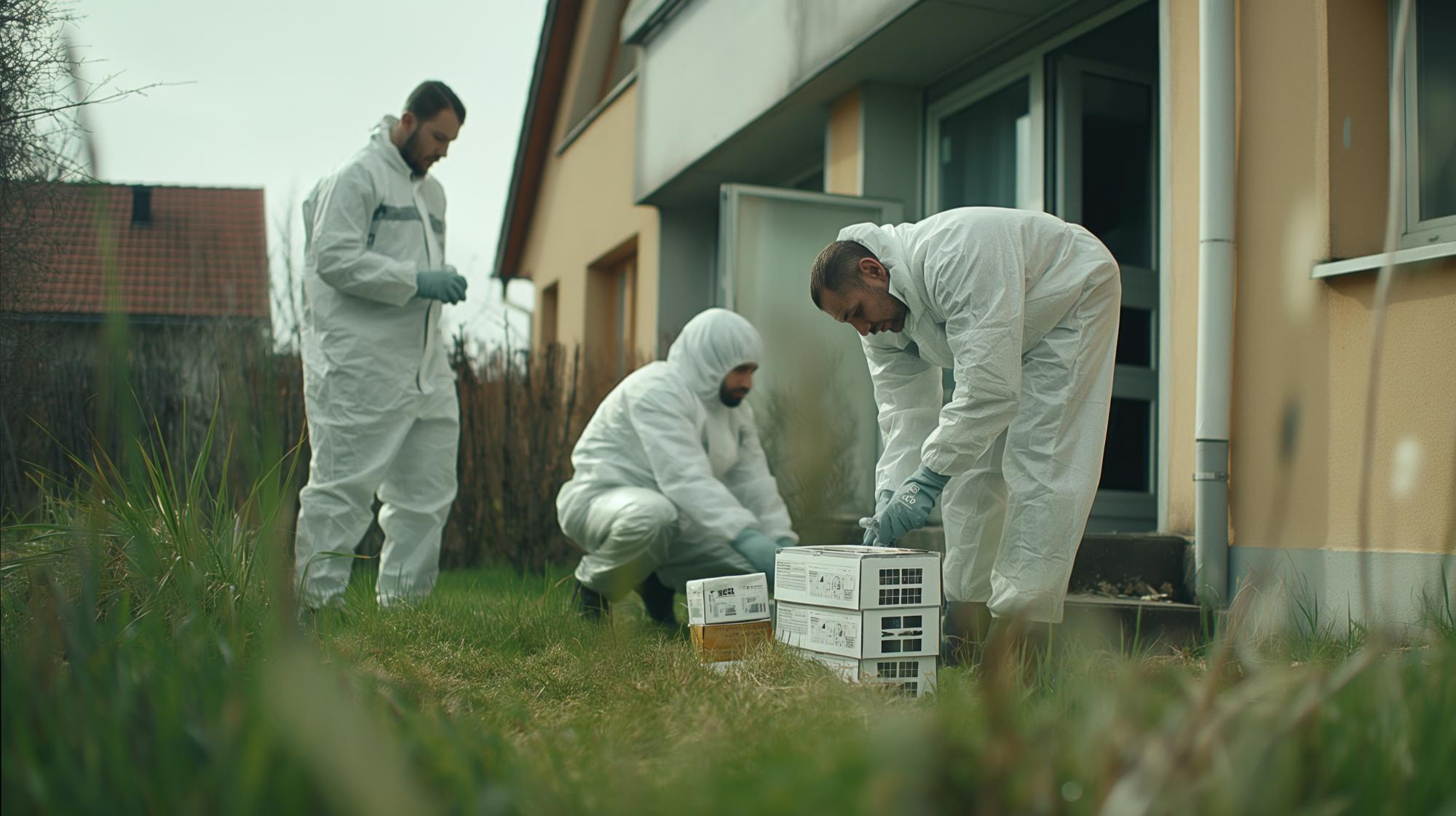
If you’re a landlord sitting on a meth report from a couple of years back, you’ve probably been asking yourself one question: does it still count? Fair question. New Zealand’s meth rules changed on the ground in April 2026, and a lot of paperwork that used to be gospel is now sitting in a grey zone.
Short version: it depends on what your report was testing against, what kind of property you’ve got, and what’s new about valid meth tests.
What Actually Changed
All these years the industry ran on NZS8510:2017, which is a voluntary standard that set the acceptable contamination level at 1.5 µg/100cm² within all high-use areas. Courts, insurers, and tenancy tribunals all treated it as the benchmark.
That changed on 16 April 2026. New government regulations came into force with actual enforceable thresholds for residential rentals. Anything above 15 µg/100cm² is now officially contaminated and has to be cleared before you re-let. Go above 30 µg/100cm² and the property’s uninhabitable, full stop, and tenancy termination rights can kick in.
Here’s the bit that trips people up. Commercial properties, transitional housing, hotels, motels, and vehicles didn’t move to the new numbers. They’re still sitting under the old 1.5 µg/100cm² standard. Same testing method. Different pass mark, depending on what you’re renting out.
So Is Your Old Report Still Good?

Here’s the thing most landlords miss. If your property passed clearance under the old 1.5 µg/100cm² standard before April 2026, it’s almost certainly fine under the new residential threshold too. 1.5 is a much tighter bar than 15. A property clean enough for the old rules clears the new ones easily.
What actually matters now boils down to two factors: whether the clearance test was done by an independent, IANZ-accredited testing company, separate from whoever did the decontamination.
And Second, is your property actually residential, or does it fall into the commercial, transitional, or short-term accommodation bracket that still runs on the old threshold? Get that wrong, and you’re applying the wrong number entirely.
Property managers juggling a mixed portfolio, residential tenancies alongside commercial or transitional stock, feel this one hardest. Worth checking our property management solutions page if that’s your situation, because the compliance path genuinely splits depending on property type.
What Landlords Need to Do Right Now
Pull your old report out and check three things. Who issued it. What threshold it was tested against. Whether that lab was actually independent of the decontamination company.
Records matter more than they used to, as well. Landlords now have to hold onto testing documentation for at least 12 months after a tenancy ends. A vague or undated report from three years ago isn’t going to cut it if a dispute lands at the Tenancy Tribunal.
If there’s any doubt, don’t guess. A fresh assessment against current thresholds is cheap insurance against a much more expensive problem later. Our team at Kiwi Safeas works to both the old and new standards, so if you’ve got a pre-2026 clearance certificate and you’re not sure where it stands, that’s exactly the kind of thing we sort out before it becomes a tenancy dispute.
NZS8510:2017 is under review right now. An updated version is expected sometime in early 2027. The threshold numbers might be settled, but the underlying testing standard isn’t locked in for good.
Get your documentation checked properly before you list a property again. Give the Kiwi Safeas team a call on 0800 202 914 or send through your details and we’ll tell you straight whether your existing report holds up.