
Since the 1 July 2025 deadline, every rental in New Zealand now has to meet the Healthy Homes Standards set of guidelines.
And when it comes to the problem of mould, there’s some confusion surrounding mould in rentals, with people asking if mould is a tenant or landlord responsibility.
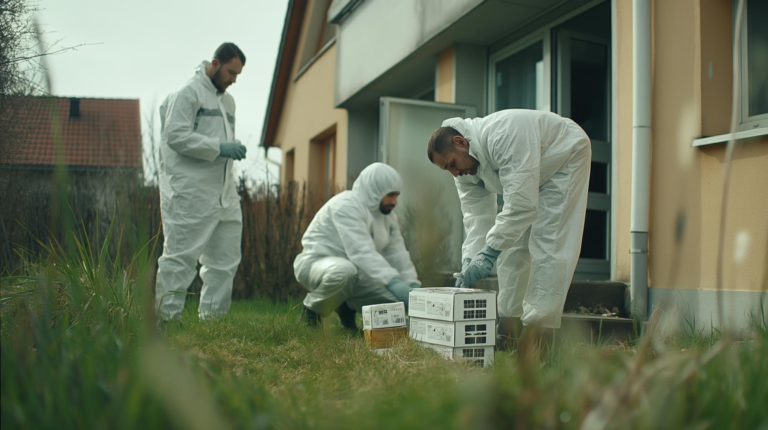
The quick answer to that question is that tenants look after airing and wiping down. Landlords deal with leaks, drainage and defects in the building. If wiping isn’t shifting it, professional mould remediation is the next step, starting with a thermal imaging inspection and ending with a written completion report.
Here’s what a landlord is responsible for
Heating, insulation, ventilation, moisture and drainage, and draught stopping in a rental.
These are the minimum legal requirements that apply to every rental under the new standards. And MBIE’s Tenancy Compliance and Investigations Team says landlords have to meet them and keep meeting them, which rules out a one-time check.
Meeting them doesn’t make a house mould-proof, though.
Mould only needs moisture that sticks around. A leaking roof, a blocked gutter or a bathroom extractor fan that’s stopped working is more than enough.
Mould is not fussy, but it is discreet…give it the ideal conditions, and it’ll grow in wall cavities and behind linings long before anyone sees it.
Water’s usually behind it. After a burst pipe or a weekend overflow, mould can start inside within 24 to 48 hours. That’s why something like a quick flood restoration with proper structural drying stops a wet lining turning into a bigger repair.
If you manage a big portfolio of rentals, Kiwi Safeas’ property management solutions can keep these jobs from stacking up.
When Mould Lands on the Tenant
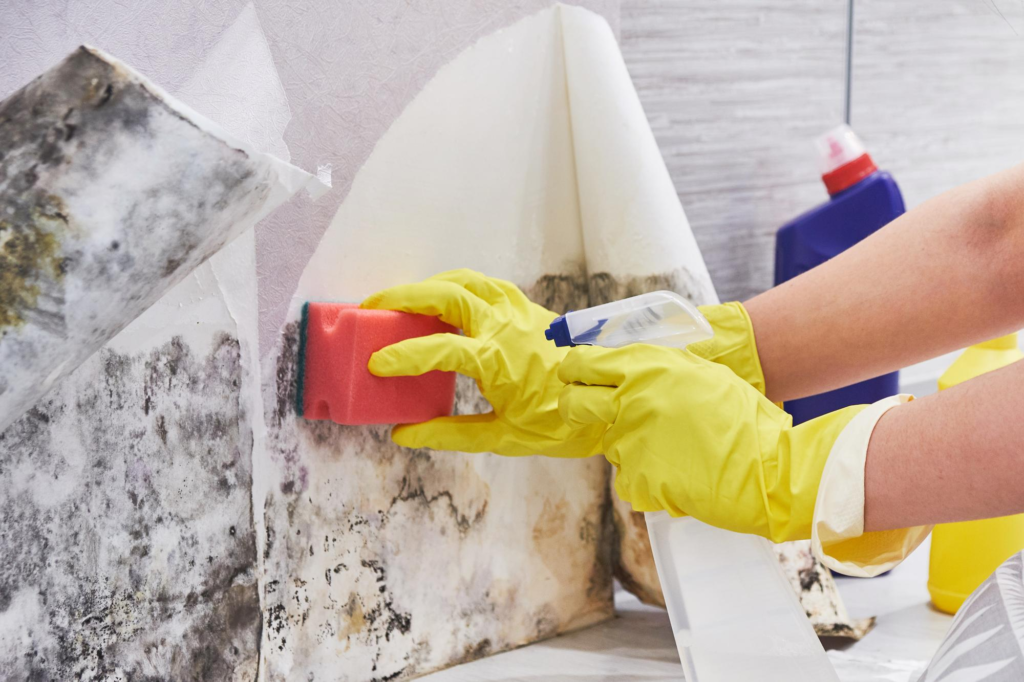
Tenancy Services says tenants should keep the house well aired and remove mould as soon as it shows.
Wet washing hung inside with the windows shut is how a lot of renters get into mould-related problems.
The Tenancy Tribunal has gone the same way. One order said mould alone doesn’t show the landlord did anything wrong. Another made the tenant responsible for regularly cleaning bathroom mould.
Who pays, which is the important factor, depends on the cause, and that’s usually where the argument starts.
If a tenant’s habits stained the lining, the landlord might need patch and paint work before the next tenant arrives, plus an end of tenancy and exit clean up might fall on the tenant.
What to Do When Mould Keeps Coming Back
Tenants, tell your landlord or property manager and take dated photos.
If nothing happens, the Tenancy Tribunal is where it goes next. Landlords, you should act the day it’s reported. The Tribunal pays attention to what happened after the tenant raised it, so a fast response helps you.
Mould that comes back after cleaning usually means the moisture problem’s still there. Kiwi Safeas looks for the source during the inspection. If the fix is outside its scope, you get a written report for your builder, laid out so landlords, property managers and the Tribunal can use it. Inspections start from $300 excl. GST, and you’ll have a fixed-price quote before any work begins.
Call 0800 202 914 or book a mould inspection. Mould remediation covers Auckland and Hamilton.