New Zealand’s new meth contamination regulations should interest you if you own or manage rental properties. The new rules became effective on 16 April 2026 and establish clear thresholds for when a rental is considered contaminated or uninhabitable.
Before that, landlords generally looked to NZS 8510:2017 for guidance on testing and acceptable levels. The standard was widely used across the property industry, even though it wasn’t itself a legal requirement for residential rentals.
The new rules give landlords a much clearer framework. If a property tests above the residential threshold, there are now specific steps to follow before it can be rented again.
If you’re responsible for several properties, it is also worth reviewing your certifications and standards, so you know which requirements apply to each one.
What the New Thresholds Actually Mean
Residential rentals reading above 15 µg/100cm² are now classed as contaminated. That property can’t be re-let until it’s decontaminated and cleared.
Push past 30 µg/100cm², and it’s considered uninhabitable. Depending on the circumstances, tenancy termination rights may apply.
The new rules are for residential rentals, so they won’t apply to every property in the same way. Commercial buildings, transitional housing, hotels, motels and vehicles are treated differently. If you manage one of these, check which requirements apply before relying on the residential thresholds.
Managing a mixed portfolio? Check each property rather than assuming the 15 µg/100cm² threshold applies to everything. If you have commercial properties as well, the commercial meth decontamination service explains how those jobs are handled.
Records have to be kept for at least 12 months after a tenancy ends. A property sitting above the relevant threshold can’t be advertised or rented until it has been cleared.
Testing Has to Be Independent Now
Here’s the bit that can catch landlords out.
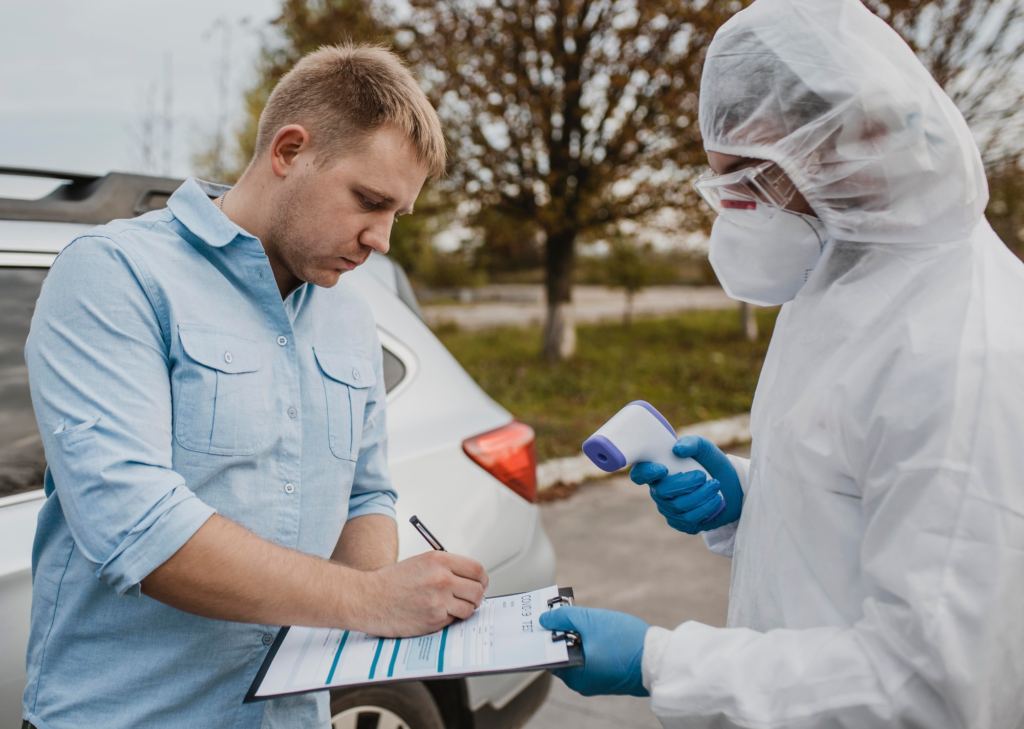
Pre-assessment testing needs to be carried out by an independent IANZ-accredited testing company where required. That company can’t also carry out the decontamination work on the same property. The same separation applies to post-decontamination testing.
It makes sense when you think about it. The people checking the property shouldn’t also be the ones signing off on their own cleanup.
If the results are 15 µg/100cm² or below, the property has reached the required level. Still above the threshold? More decontamination may be needed before the property can be cleared.
The timing varies from one property to another. The condition of the property matters. So do the materials being treated and how quickly everything can dry.
Kiwi Safeas says its usual decontamination timeframe is two to three working days in summer and three to four in winter, with the property fully dried before post-decontamination testing.
You can see how the full process works on the meth decontamination process page.
Getting Your Portfolio Ready
Now is a good time to go through your property records.
You don’t want to discover a gap in your paperwork when a tenant raises a concern or an insurer asks for the testing history. Check which properties come under the new residential thresholds and which have different requirements under NZS 8510:2017.
If you manage properties on behalf of owners, it is worth having a clear process for dealing with a positive result. Who arranges the testing? Who speaks to the tenant? Where are the reports stored?
It sounds basic. It can save a lot of hassle later.
Property managers may also find it useful to look at Kiwi Safeas’ property management solutions when setting up processes for maintenance, documentation and remediation work.
What Happens After a Positive Result?
Once a property has been confirmed as contaminated, the next step is to work out what needs to be treated.
That won’t necessarily mean stripping out the entire property.
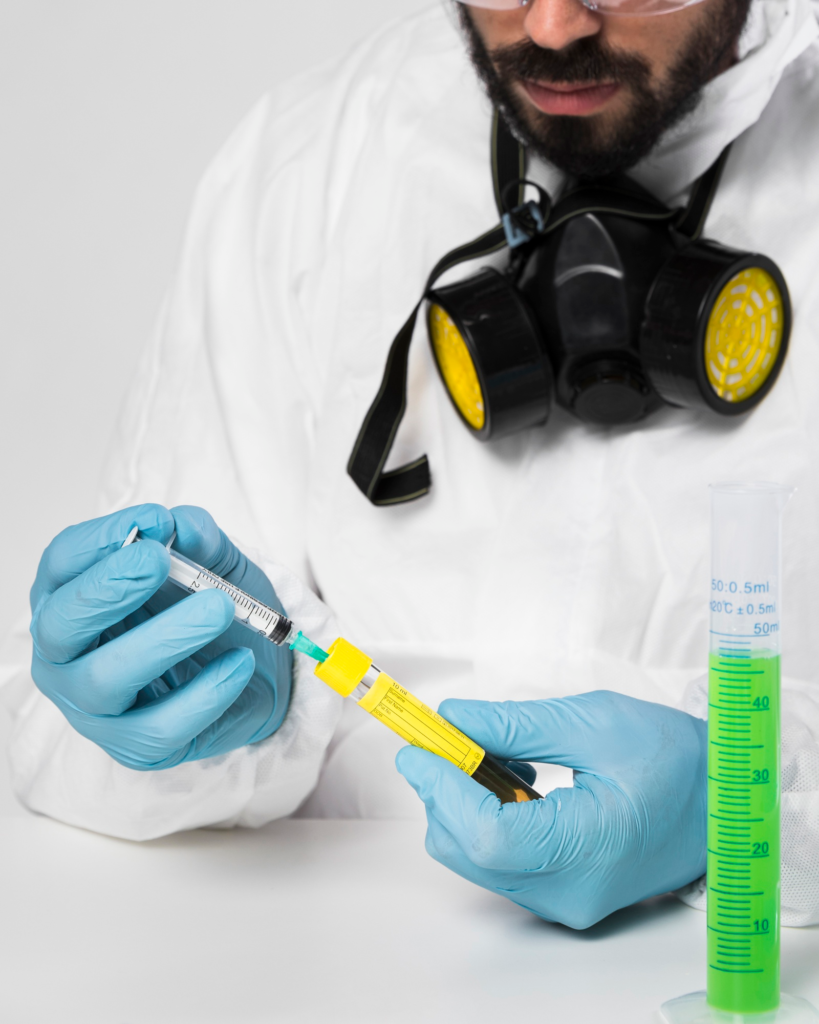
The work depends on where contamination has been found, the materials involved and the level recorded. Surfaces, flooring, fixtures and soft furnishings may all need to be assessed.
Kiwi Safeas describes its remediation service as covering the full process from the initial assessment through to clearance documentation.
Once the work is finished and the property is dry, independent post-decontamination testing takes place. The result needs to be at or below 15 µg/100cm² for the property to meet the new residential threshold.
If you’re dealing with a positive result, it’s worth understanding the meth decontamination process before arranging any work.
What About Older Test Results?
This is likely to come up for landlords who already have testing reports sitting in their files.
The 2026 regulations don’t mean every rental property automatically needs a new test. The rules set out specific situations where detailed testing is required.
So, look at the report you already have.
When was the property tested? What sort of testing was carried out? What were the results?
If there’s been a suspected contamination event since then, that’s a different matter. The same goes for any other reason to believe the property may have been affected.
An old report shouldn’t simply be ignored. It shouldn’t automatically be treated as a complete answer either.
The current residential threshold is 15 µg/100cm². Make sure you understand how an older result fits with the requirements that apply now.
What Should Landlords Do Now?
Start with the properties you already manage.
Go through the testing records. Make a note of properties with previous meth-related concerns. Check that you have the relevant reports and know who you’d contact if further testing is needed.
Then look at your tenancy procedures.
If a property tests positive, someone needs to know what happens next. Testing. Decontamination. Communication with the tenant. Follow-up testing. Record keeping.
It sounds simple when it’s written down. Having to work it out during an active tenancy is another story.
If you want to understand more about the company behind the service, the Kiwi Safeas team has information about its technicians, qualifications and approach to property restoration.