
You’ve got the property’s meth test report, and some results are above the relevant threshold, so now you’re wondering what happens next.
Before you begin, and processes its good to try and understand the report. So you can plan the work, manage costs and get your rental property ready for its next occupants.
For Kiwi landlords and property managers, the key is knowing what needs to happen before anyone moves back in.
Kiwi Safeas provides professional meth decontamination services in New Zealand for property owners who need a clear plan and documented results.
Here’s a step-by-step look at how the entire process works.
1. Start With Your Meth Test Report
Forget about grabbing a bucket and cleaning the walls; that’s not going to fix the problem. What you need to do is understand the results.
Check your report; it should help you to identify the areas from which samples were taken. What levels were detected, and which areas need the most attention.
A specialist will use this information to assess the scope of work, after which they can prepare a quote.
But if you are not sure about how to read your report, you can get advice from someone who does. It’s wise to do so before making any decisions about carpets, curtains or other fittings.
Kiwi Safeas can assess your report through our meth decontamination service for rental properties.
If you are an individual or organisation managing several buildings or rentals, ask us about our property management solutions for landlords. This service can help maintain contractor coordination and keep job records organised.
2. Prepare the Property and Set Up Safety Measures
Once the amount of work is agreed upon and the quotation is good to go, the decontamination team will discuss the steps about how they plan to proceed.
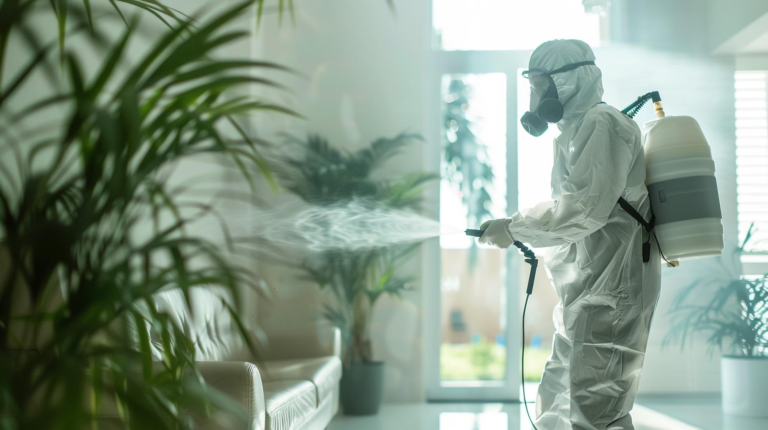
Be prepared because the steps may involve restricting access, protecting clean areas and setting up suitable personal protective equipment and air-cleaning equipment.
The exact setup depends on the property, the contamination and the planned work.
Your property will be assessed for what can and cannot be saved. Some materials might be cleanable, while others may need to be replaced.
Keep in mind that carpets, underlay, curtains and heat pumps shouldn’t automatically be written off just because a report came back positive. But you must also understand that there is no written rule to say they can be kept. It all depends on the level of contamination, and how best certain items can be salvaged.
For property managers, this is also the time to confirm access. Make arrangements for tenant communication, prepare waste handling and any insurer requirements that need clearing up. If other work is needed afterwards, Kiwi Safeas also offers professional property repair and maintenance services.
3. Carry Out the Decontamination Work
Now we move on to the main area of the decontamination process.
When you hire professionals, you can rest assured that only trained technicians work through the agreed treatment plan. They will assess processes for cleaning affected surfaces and how to best take care of items identified during the assessment.
The most viable methods and equipment are used to remove contamination without spreading it into other areas.
This is why a normal house clean isn’t the right option for meth decontamination. A property can look spotless and still have residue that needs to be checked.
The team may need to clean more than once or deal with specific fixtures and materials separately. The amount of work depends on the findings, so there isn’t one universal cleaning method for every property.
Hang on to the paperwork. Your records should show what work was completed and what areas were treated.
4. Arrange Independent Clearance Testing
Once the cleaning is done, there’s more to the process.
You need post-remediation testing. It checks whether the property meets the applicable clearance criteria. For meth contamination, sampling and interpretation should follow the relevant New Zealand requirements and the agreed testing scope.
Independent testing provides a separate check on the result. And if the property doesn’t pass, further treatment and another round of testing may be needed.
Be careful with blanket claims about acceptable levels.
New Zealand’s methamphetamine contamination guidance and regulatory settings have changed over time. The correct benchmark depends on the applicable requirements and circumstances, so confirm it against current official guidance and your testing provider’s advice. This is where a professional service counts.
5. Get the Documents Before Reopening the Property
This is the home stretch.
Once clearance is confirmed, collect the final report or certificate. As well as the relevant treatment records and invoices.
The records and invoices are important, so store them with your property file. That way you can share them with your insurer or other relevant parties when needed. Good records make future maintenance and tenancy decisions much easier.
Remember, meth clearance and Healthy Homes compliance are separate matters. Tenancy Services explains landlords’ duties under the Healthy Homes compliance requirements. Completing decontamination doesn’t automatically prove a rental meets every Healthy Homes standard.
If you’ve got a report and need guidance? Get in touch with us for an assessment and quote. It’s a practical way to understand the work involved before committing to a plan.