An unattended death scene is one of the hardest things a landlord, property manager or family member will ever walk into.
Nobody’s trained for it. It’s confronting. And what you do in the first two days shapes the cleanup, the insurance claim and how the tenancy wraps up, so it pays to get the order right. And if drugs were involved, the property might also need meth testing and decontamination before it can be re-let under the 2026 rules.
What Happens Before Anyone Can Start Cleaning?
If someone’s found dead and the cause isn’t clear, call 111. Police attend, the death gets referred to the coroner, and the coroner takes custody of the body. Police may hold the scene while they do their examination. That takes time. Sometimes it’s a few hours. Sometimes it’s days.
Stay out. Even if you’ve got the keys. Really. Moving things around can muddy the coroner’s enquiry, and you could be walking into a hazard you can’t see.
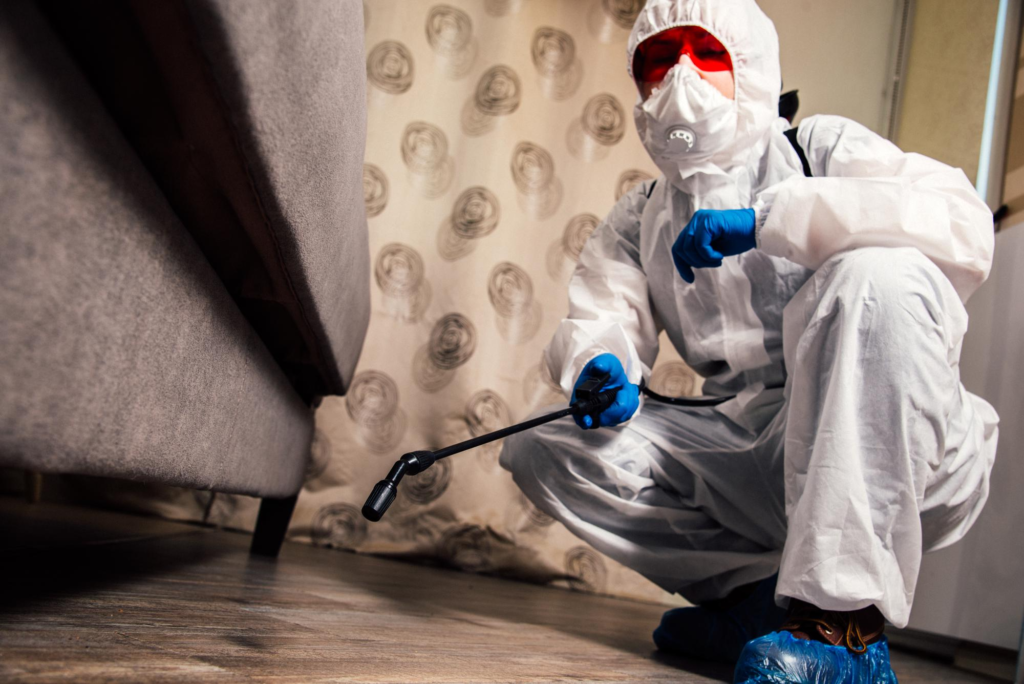
Once Police release the scene, speed matters. Odour doesn’t wait. Fluids soak into carpet, underlay, mattresses and sometimes the subfloor, and the longer they sit, the deeper the smell sets in. That’s where certified crime and trauma scene cleanup across Auckland, Hamilton and Christchurch comes in, along with biohazard cleanup for rental properties when contaminated materials have to be removed and disposed of properly.
Then there’s the damage left behind. Stained flooring. Marked walls. Patch and paint services after remediation get the rental looking like a home again.
What Should Landlords and Property Managers Do in the First 48 Hours?
Ring your insurer early. Cover varies from policy to policy, so ask what’s included and what paperwork they’ll want before you book anyone. Keep a written log of who you spoke to and when, and take photos once you’re cleared to go in.
Next, work out who’s speaking for the tenant. If they were the only name on the agreement, their next of kin or representative can give 21 days’ written notice to end the tenancy, and you can agree a different timeframe if everyone’s happy to be flexible. Rent keeps running until the tenancy officially ends, and it comes out of the estate, not the family’s own pocket. If nobody steps forward, you’ll need the Tenancy Tribunal to end the tenancy and deal with belongings. Don’t bin anything in the meantime. Photograph it instead.
Owners and agents juggling several properties often find it easier to run this through property management solutions with consistent documentation across every site. When the dust has settled, an end of tenancy and exit clean up gets the place ready for the next listing.
Can You Clean Up After a Death Yourself?
Please don’t.
It’s not worth the risk; plus, blood and body fluids can carry bloodborne pathogens such as hepatitis B and C, as they stay active on surfaces long after things look clean. Household cleaners and air fresheners only mask the smell. The source is sitting in porous materials, and that’s where it has to be dealt with.
Anyone who directs work on a contaminated site also owes workers a duty of care under the Health and Safety at Work Act 2015. Sending in a handyman or a willing relative isn’t a good idea. Certified cleaners wear the right PPE, document every step and hand you paperwork formatted for your insurer and the coroner.
If you’re dealing with a death at one of your properties right now, call Kiwi Safeas on 0800 202 914 or contact our team confidentially. We’ll talk you through what happens next, and unmarked vehicles are available on request.