

Meth lab disclosure real estate rules in New Zealand just moved. On the seventh of September 2026, the Real Estate Authority scrapped its 2018 guidelines on methamphetamine disclosure, replacing it with a new version.
The practical effect: a property can now clear the disclosure bar at a level ten times higher than the industry Standard most vendors and buyers have trusted for years.
If you’re selling, buying, agenting or managing a property with any history worth questioning, that gap matters. Get a proper meth decontamination assessment before you find out the hard way. Or get in touch if you’d rather just get a straight answer on one specific property.
What did REA actually change on 7 September?
REA reviewed its 2018 position, soon after the Residential Tenancies (Managing Methamphetamine Contamination) Regulations 2026 kicked in on 16 April. The new guidance formally replaces the old one.
REA now recommends decontamination to 15 micrograms per 100 square centimetres, from the previous 1.5 micrograms. It goes on to say that decontamination generally isn’t required once a property sits at or below that number, which is where the real shift is.
It ties real estate disclosure to the same 15µg figure the Tenancy Regulations use for rentals, rather than the far stricter threshold the industry Standard has run on for a decade. Vendors and agents who rely on memory of the old rules need to update.
You still need to disclose known contamination history or a previous failed test, even after remediation. If the property is commercial, our commercial meth decontamination service can get you a clearance certificate that helps your case, though it doesn’t erase the history itself.
Why 15µg doesn’t tell you the whole story
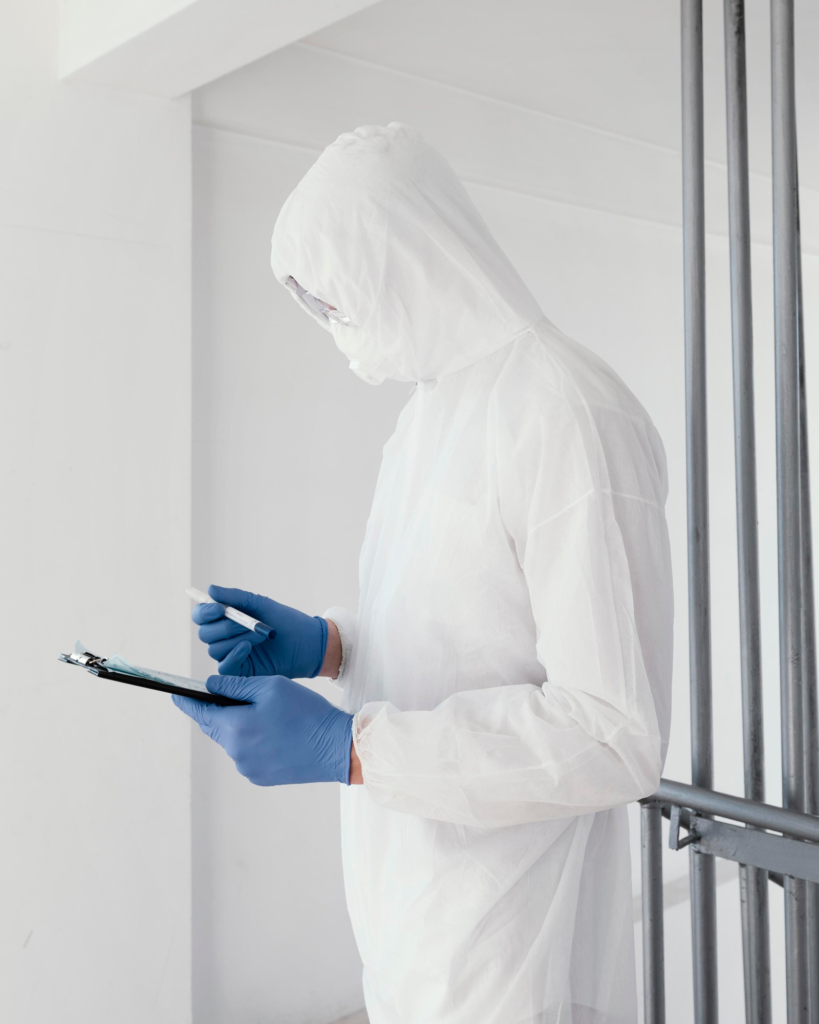
The catch lies in the fact that NZS 8510:2017 is still the current Standard. It defines a contaminated high-use area at 1.5µg per 100cm², not 15, and REA openly acknowledges that gap rather than glossing over it. Two credible reference points, a factor of ten apart, and which one gets used can decide whether a property looks clean or genuinely isn’t.
A handful of decontamination providers have already pushed back publicly on this, arguing properties should keep being cleaned to the tighter 1.5µg mark no matter what the new guidance now allows. Whether disclosure is technically required and whether a property is actually safe turn out to be two different questions. Conflating them is exactly where buyers come unstuck.
What this means if you’re selling
Know about contamination, or a previous failed test? You still need to disclose that history, and remediation doesn’t erase it. A valid post-remediation clearance certificate showing the property now meets requirements helps enormously, but the history itself doesn’t vanish just because the property’s since been cleaned. Selling through an agent doesn’t shift that responsibility off you either.
Testing before you list beats waiting for a buyer’s test to surface something mid-negotiation, and the difference shows up either way a result goes. A clean report cuts buyer uncertainty down considerably. A positive one at least lets you manage things on your own timeline, arrange remediation, and sell with documentation in hand rather than scrambling once an offer’s already on the table.
What this means if you’re buying
A clean LIM isn’t a clearance certificate; it only reflects what’s been formally notified to council, and plenty of contamination history never gets that far. With the disclosure bar potentially sitting at 15µg now instead of 1.5µg, “nothing was disclosed” doesn’t carry the weight it used to.
Get your lawyer to make a satisfactory meth test a condition of the sale and purchase agreement. Name the tester. Reference NZS 8510:2017. Set a firm timeframe, and state the actual result you need, ideally the property’s real reading rather than just a pass or fail against whichever threshold happens to apply. Waiving that condition to sweeten your offer transfers genuine risk onto you, particularly with former rentals or a property with a murky tenancy history behind it.
What agents and property managers need to know
Licensees still can’t withhold information a buyer should fairly be given, under the Real Estate Agents Act 2008 and the Code of Conduct. The practical threshold for when that duty kicks in has moved, though, so it’s worth actually reading the new guidance rather than assuming the 2018 position, or the old 1.5µg Standard figure, still applies by default. As of 7 September, it doesn’t.
The takeaway
Disclosure rules tell you what a vendor or agent has to reveal. Whether a property’s actually safe is a separate question, and after 7 September those two things sit further apart than they used to. If you want certainty either way, book a test through Kiwi Safeas before you sign anything, not after.